Veneer vs Laminate: Which Is Right for You?
What Each Material Actually Is
A veneer is a thin slice of real wood, typically 0.25mm–3mm thick, bonded onto a core panel like plywood or MDF. A laminate is a printed decorative paper layer, fused under heat and pressure with resin and a protective overlay, then bonded to a core panel the same way. The core construction is similar; the surface material is fundamentally different — one is genuine wood, the other is a photographic reproduction of it.
Appearance and Grain Authenticity
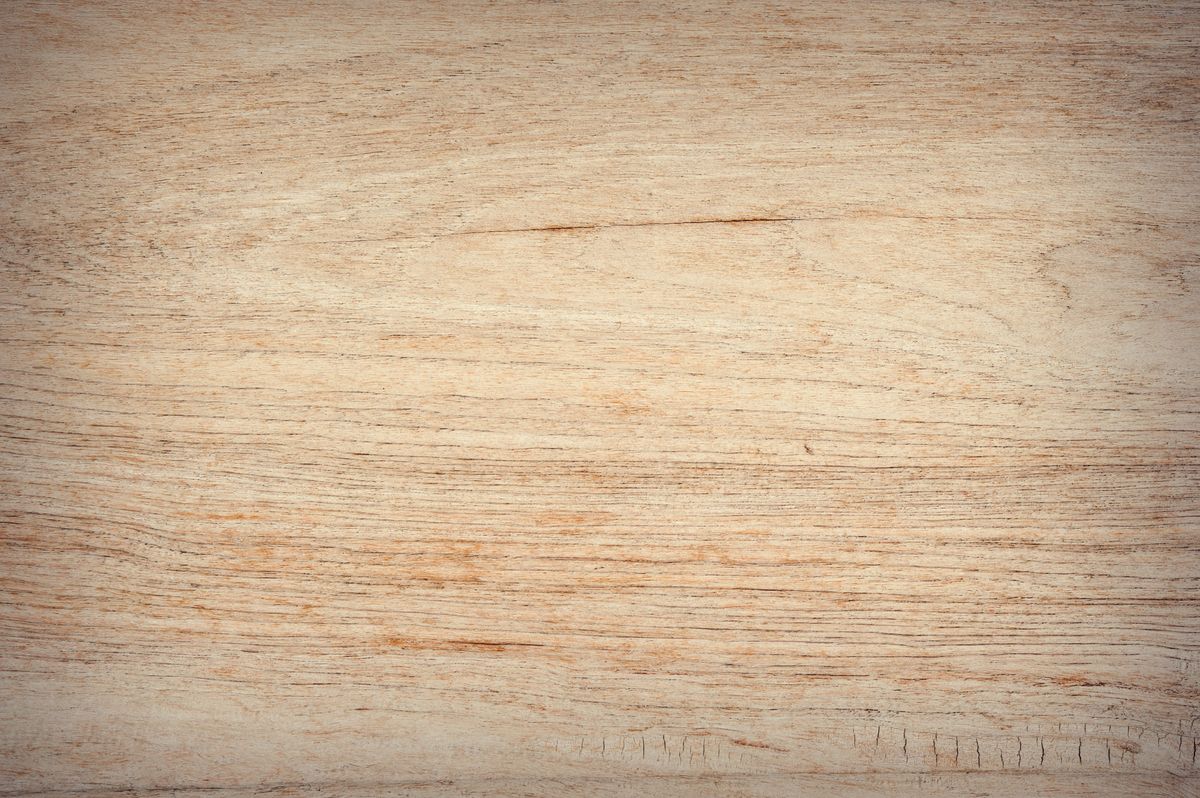
Because veneer is real wood, no two sheets from the same tree are identical, and the grain shifts subtly under different light angles the way natural wood does. Laminate's printed pattern repeats — a well-made laminate looks convincing at a glance, but under close inspection or angled light, the flatness of a printed surface is usually detectable next to real wood. For a single statement piece (a boardroom table, a feature wall) where the material itself is part of the design story, veneer wins on authenticity every time.
Durability and Everyday Wear
Laminate, particularly HPL grade, generally handles scratches and impact better than veneer, since its protective overlay is engineered specifically for abrasion resistance. Veneer can be pre-finished with a protective coating, but it remains a thinner, more delicate surface than a laminate's resin-hardened top layer — which is why laminate tends to be the safer default for high-traffic kitchen shutters, while veneer is reserved for lower-contact surfaces like wardrobe fronts and wall panels.
Cost Comparison
Laminate is almost always the more budget-friendly option per square foot, especially at HPL grade. Veneer costs vary widely by species — engineered veneer sits closer to premium laminate pricing, while natural and exotic veneers command a real premium for their rarity and grain quality. If budget is the primary constraint across a large project, laminate lets you cover more area; if a smaller feature area needs to make a strong impression, veneer often delivers more visual impact per square foot spent.
Our Recommendation
Use laminate for high-traffic, high-touch surfaces where durability and budget matter most — kitchen shutters, office desks, children's room furniture. Use veneer for feature surfaces where authenticity and visual depth are the priority — a single accent wall, a boardroom table, a reception desk front. Most of our full-home projects end up using both, matched deliberately to each surface's role rather than picking one material for the entire home.
Step Into Our Showroom
Discover over 2,000 sq.ft of curated interior surfaces. Walk through our live installations, touch premium materials, and find the perfect match for your project — all under one roof.
Visit Our Showroom
- Hands-on Material Exploration
- Personalized Expert Guidance
- Instant Custom Quotation